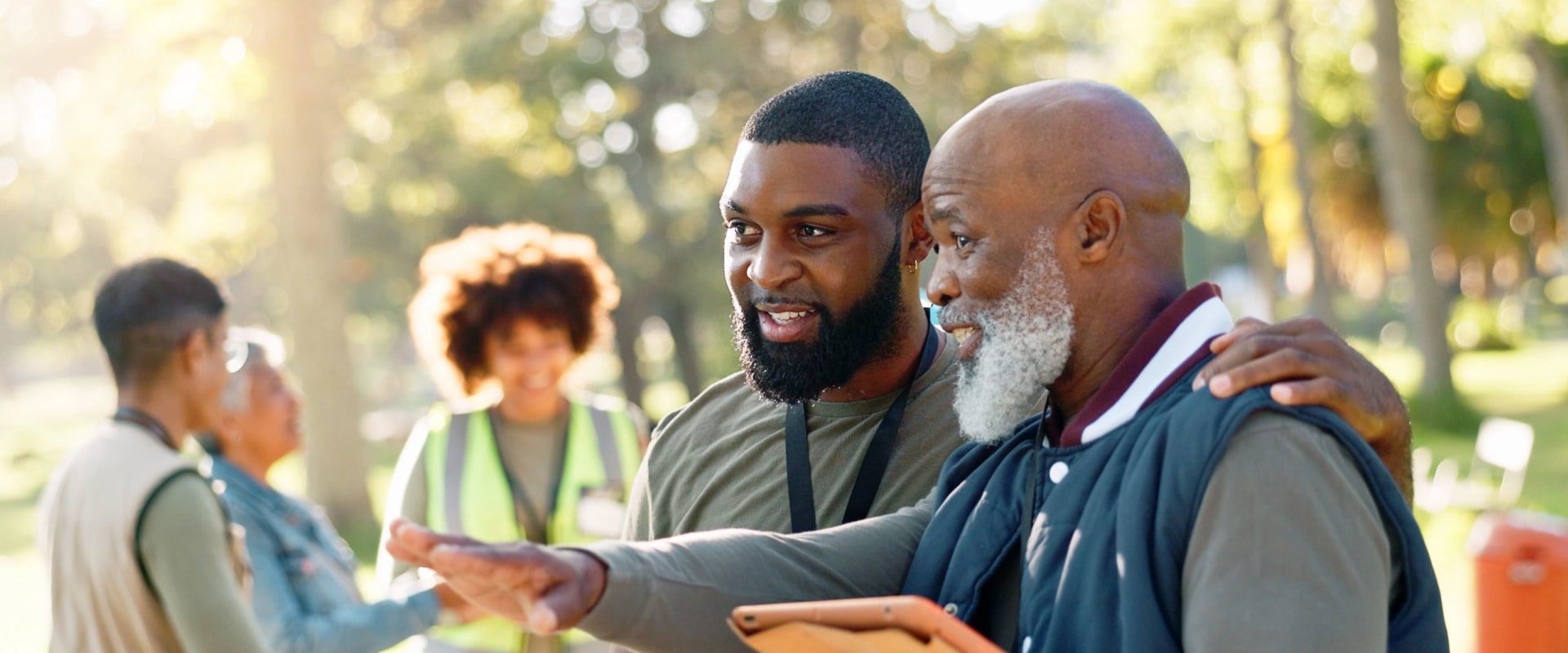
Community outreach programs in Central Texas continue playing a vital role in supporting local families, students, seniors, veterans, and underserved populations through food drives, educational events, healthcare initiatives, donation campaigns, cultural programs, and emergency relief efforts. As cities and communities throughout the region continue growing, nonprofit organizations, churches, schools, and volunteer groups are expanding their outreach efforts to meet increasing community needs. While these programs are often recognized for the direct support they provide, the logistical planning required to organize successful outreach events is rarely discussed. Transportation coordination has become one of the most important aspects of community outreach because many programs depend on moving large amounts of supplies, equipment, furniture, and event materials across multiple locations throughout Central Texas. Organized transportation planning helps ensure resources arrive on time, volunteers remain coordinated, and outreach events operate efficiently without unnecessary delays or confusion.
Why Transportation Coordination Is Essential
Many outreach programs rely on temporary event locations such as schools, churches, community centers, parks, shelters, and public gathering spaces that require significant setup before services can begin. Organizers often need to transport tables, chairs, tents, sound systems, food supplies, hygiene kits, educational materials, medical equipment, donation boxes, and staging infrastructure to different venues depending on the type of event being hosted. Because many programs operate with limited staff and rely heavily on volunteers, efficient transportation planning becomes critical to preventing disorganization during setup and breakdown periods. Timing also plays a major role because outreach events often operate within strict schedules tied to volunteer availability, facility reservations, or community service deadlines. In larger Central Texas communities where traffic congestion and travel distances continue increasing, even small transportation delays can affect the overall success of an outreach initiative.
Specialized Equipment and Large Donations Add Complexity
Some outreach programs involve transporting oversized or delicate items that require additional handling and planning during relocation and setup. Donation drives may include furniture, appliances, medical devices, musical instruments, or educational equipment intended for schools, shelters, or community centers. Certain cultural and faith-based outreach programs may also involve moving pianos, performance equipment, or large presentation materials for worship services and public events. In these situations, transportation logistics become even more specialized because fragile or heavy items must be handled carefully to avoid damage during loading, transit, and setup. Reliable providers offering piano moving services may assist organizations handling sensitive equipment or large donated items that require extra protection during transportation between outreach locations. Organized transportation support helps reduce physical strain on volunteers while ensuring valuable donated resources arrive safely and remain functional for community use.
Organized Logistics Help Outreach Programs Operate More Efficiently
As Central Texas communities continue growing, outreach organizations will likely face even greater logistical demands as they expand services to support larger populations and wider geographic areas. Efficient transportation planning helps organizations maximize their resources, improve volunteer coordination, and respond more effectively during emergencies, seasonal drives, and large public events. Successful outreach programs depend heavily on behind-the-scenes organization that many community members never see. Storage coordination, route planning, equipment handling, and scheduled deliveries all contribute to creating smooth and organized events that allow volunteers and staff to focus on serving the community rather than managing transportation problems. Although attendees and recipients may only experience the final outreach event itself, much of the work required to make those programs successful happens long before the event begins. In many ways, organized transportation logistics have become an essential part of helping Central Texas outreach programs continue providing reliable support, resources, and services to communities across the region.